
Cyprex Health

We Offer Virtual & Telehealth Appointments
What Happens If Testosterone Is Low?

What Happens If Testosterone Is Low?

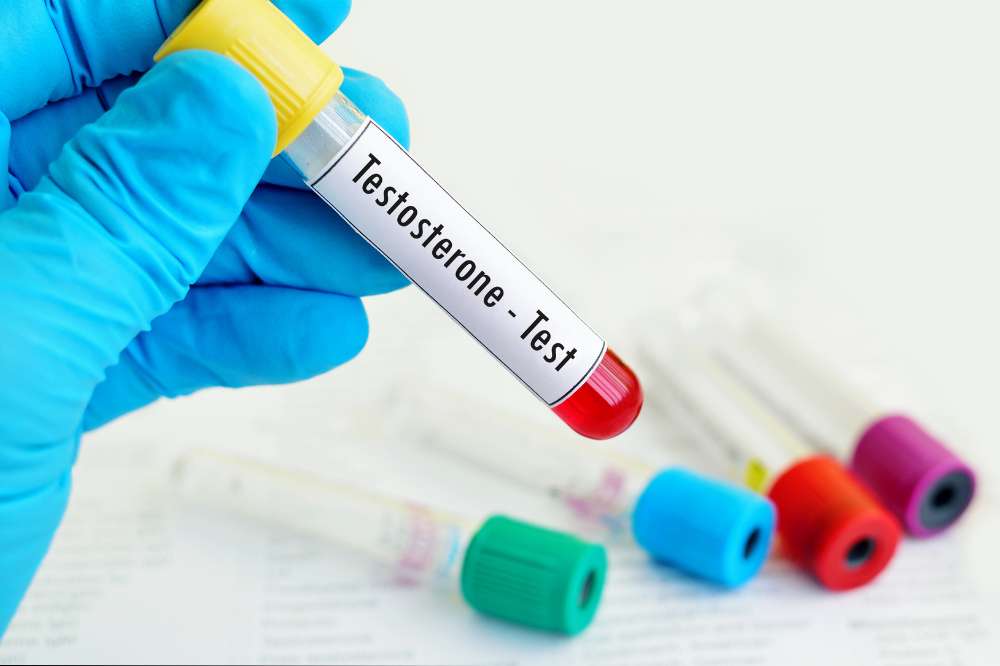
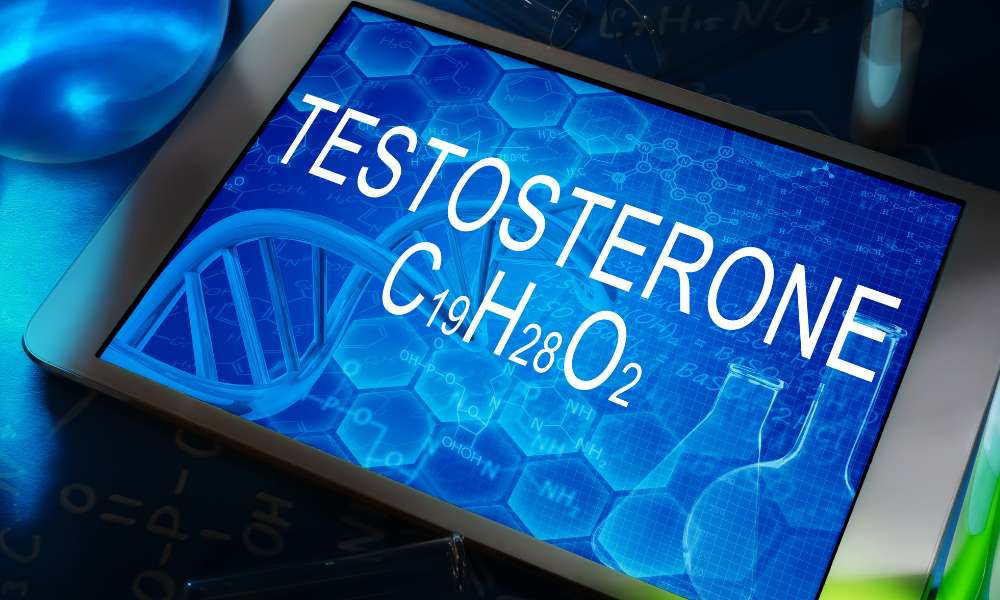
At St. Johns Wellness, we understand the critical role hormones play in maintaining our health and well-being. Testosterone, often associated with male health, affects various bodily functions. Low testosterone levels can lead to a myriad of health issues that, if left unchecked, can significantly impair quality of life. Today, we’ll explore what happens if testosterone levels are low and why maintaining balanced hormone levels is crucial. Understanding Testosterone and Its Importance Testosterone is primarily known as the male sex hormone, but it is also important for both men and women. In men, it’s produced in the testicles, whereas in women, smaller amounts are produced in the ovaries and adrenal glands. This hormone is pivotal for developing male growth and masculine characteristics during puberty, and it continues to play significant roles in adult men by regulating sex drive (libido), bone mass, fat distribution, muscle mass and strength, and the production of red blood cells and sperm. Signs and Symptoms of Low Testosterone The symptoms of low testosterone can vary widely, and they often mimic those of other conditions, making it a somewhat elusive diagnosis at times. Common signs include: Health Consequences of Untreated Low Testosterone If low testosterone is not treated, the effects can extend beyond the immediate symptoms. Long-term consequences include: Diagnosing and Treating Low Testosterone Diagnosing low testosterone involves a simple blood test to measure the level of testosterone in your blood. At St. Johns Wellness, our healthcare professionals can conduct these evaluations and discuss potential treatment options that consider your overall health and specific symptoms. Treatment for low testosterone may include: Conclusion Low testosterone can significantly affect a person’s quality of life, leading to physical, mental, and emotional health issues. At St. Johns Wellness, we prioritize a holistic approach to hormone health, ensuring that our patients receive personalized care tailored to their unique health needs. If you’re experiencing symptoms of low testosterone, don’t hesitate to reach out for a comprehensive evaluation. Remember, addressing this issue promptly can lead to a healthier, more vibrant life.

What Are The Pros And Cons Of HRT?

What Are The Pros And Cons Of HRT?

At St. Johns Wellness, we understand that making health decisions can be complex and daunting, especially when it comes to managing symptoms of hormonal imbalances. Hormone Replacement Therapy (HRT) is a commonly considered option for those experiencing menopause or other hormone-related conditions. Like any treatment, It comes with its set of benefits and drawbacks. Here’s a balanced look at the pros and cons to help you make a more informed decision. Pros of Hormone Replacement Therapy Cons of Hormone Replacement Therapy Making an Informed Decision Deciding whether to pursue HRT involves weighing these pros and cons in the context of your individual health status and lifestyle. At St. Johns Wellness, our team is dedicated to providing personalized care, helping you navigate your options with comprehensive information and support. Consult with our specialists to understand how HRT might fit into your health regimen and whether the benefits outweigh the potential risks for you. Remember, each person’s health needs are unique, and what works for one might not work for another. Our goal is to ensure that you are fully informed and comfortable with your healthcare decisions. Conclusion While HRT offers significant benefits in managing hormone-related symptoms and conditions, it also carries risks that must be carefully considered. At St. Johns Wellness, we prioritize your health and well-being, assisting you in making choices that best suit your individual health circumstances. Talk to us today to explore more about HRT and other alternatives that might be right for you.

What Happens If Low Testosterone Is Not Treated?

What Happens If Low Testosterone Is Not Treated?

Low testosterone, a condition often glossed over in general health discussions, carries significant implications if left unchecked. At St. Johns Wellness, we emphasize the importance of recognizing and addressing this hormonal deficiency not just for its immediate effects, but for its long-term impact on overall health. Ignoring low testosterone can lead to a myriad of health issues that extend beyond mere discomfort and inconvenience. This article explores the potential risks and complications that arise from untreated low testosterone, underscoring the need for timely intervention. What is Low Testosterone? Testosterone is a critical hormone in the human body, influencing various physiological processes. It’s primarily known for its role in sexual development and function, bone density, muscle strength, and mood regulation. Low testosterone, or hypogonadism, occurs when the body doesn’t produce enough of this essential hormone. It can manifest through symptoms such as fatigue, reduced libido, difficulty in gaining muscle mass, and emotional disturbances. Immediate Effects of Low Testosterone The initial symptoms of low testosterone might seem manageable or even dismissible to some. However, these early signs, including decreased sex drive, difficulty with erection, and low energy levels, are just the tip of the iceberg. Men might also experience mood swings, depression, and a noticeable decrease in performance during physical activities. These symptoms not only affect personal well-being but also influence interpersonal relationships and quality of life. Long-Term Health Risks If low testosterone remains untreated, the long-term consequences can be far more severe. Here are several critical areas affected by prolonged low levels of testosterone: Cardiovascular Health Testosterone has a complex relationship with cardiovascular health. Studies have shown that adequate levels of this hormone are necessary for maintaining healthy blood vessels and heart function. Low testosterone is linked with an increased risk of cardiovascular diseases, including heart attack and stroke. Bone Density and Muscle Mass Testosterone plays a vital role in bone mineral density. Men with untreated low testosterone are at a higher risk of osteoporosis and fractures. This condition is not only painful but can also lead to significant mobility issues and a decreased quality of life. Similarly, muscle mass and strength decline with low-testosterone, which can result in increased frailty and longer recovery times from injuries. Mental Health The psychological effects of low testosterone are profound. Chronic low levels can lead to depression, irritability, and a decrease in cognitive functions, impacting personal and professional life. Mental health, crucial to overall well-being, can deteriorate over time if the underlying hormonal imbalance is not addressed. Metabolic Implications Low testosterone is closely linked with metabolic syndromes, including type 2 diabetes and obesity. The hormone’s role in regulating insulin and glucose levels means that its deficiency can increase the risk of metabolic disorders, which are significant health burdens on their own. Why Addressing Low Testosterone is Crucial Understanding the ramifications of untreated low-testosterone underscores the necessity of seeking medical advice when symptoms arise. At St. Johns Wellness, our approach involves comprehensive screening and personalized treatment plans to restore hormonal balance and mitigate these risks. Treatment options may include hormone replacement therapy, lifestyle adjustments, and nutrition counseling, tailored to individual needs and conditions. Conclusion The journey to maintaining optimal health is incomplete without addressing hormonal imbalances such as low testosterone. Recognizing the signs early and consulting with healthcare providers like those at St. Johns Wellness can prevent the cascade of negative health effects associated with this condition. If you or someone you know is experiencing symptoms of low testosterone, take action today. Ignoring this condition doesn’t just diminish quality of life—it can lead to serious health complications that are otherwise preventable. At St. Johns Wellness, we are dedicated to guiding you back to a life of improved health and vigor, ensuring that low-testosterone is treated with the seriousness it deserves.

Is HRT The Same As Testosterone?

Is HRT The Same As Testosterone?

Hormone replacement therapy (HRT) is a topic that often raises questions, especially when it comes to distinguishing between general HRT and specific hormone treatments like testosterone therapy. At St. Johns Wellness, we’re committed to providing comprehensive information to help you understand the nuances of different treatments and how they can impact your health. What is Hormone Replacement Therapy? Hormone Replacement Therapy, or HRT, is a treatment used to alleviate symptoms caused by hormone imbalances or declines in hormone production, which can occur due to aging, medical conditions, or surgeries that affect the endocrine glands. HRT is commonly associated with menopause treatment in women, where it helps to replace estrogen that the body no longer produces at sufficient levels. However, HRT can also refer to other types of hormone treatments. Types of Hormone Replacement Therapy HRT encompasses a range of treatments aimed at restoring hormonal balances. These include: Is Testosterone Replacement Therapy the Same as HRT? While testosterone replacement therapy (TRT) is a type of HRT, they are not the same. TRT is specifically focused on the supplementation of the testosterone hormone in individuals where low levels are affecting health, and physical, and psychological well-being. This form of therapy is most commonly prescribed to men, but can also be used in women under specific medical circumstances. Benefits of Testosterone Replacement Therapy Testosterone therapy can offer numerous benefits, particularly for those who have been diagnosed with low testosterone levels. These benefits may include: Who Can Benefit from Testosterone Therapy? Testosterone therapy isn’t for everyone. It’s specifically designed for individuals who have medically confirmed low levels of testosterone accompanied by symptoms affecting their quality of life. Patients interested in TRT should undergo a thorough medical evaluation by healthcare professionals like those at St. Johns Wellness, where we ensure the treatment is appropriate and safe based on your health profile. Considerations and Risks of Testosterone Replacement Therapy Like any medical treatment, TRT comes with potential risks and side effects, which may include: These risks underline the importance of being under medical supervision when undergoing TRT. Regular monitoring and adjustments to the therapy may be necessary to mitigate potential side effects. Conclusion While testosterone replacement therapy is a form of hormone replacement therapy, they are not identical. Each type of HRT, including TRT, is tailored to meet specific hormonal deficiencies and health conditions. At St. Johns Wellness, our aim is to provide personalized care and detailed information to help you make informed decisions about hormone therapy options. Whether it’s estrogen, progesterone, or testosterone, understanding the benefits and risks is crucial to managing your health effectively. If you think you might benefit from any form of HRT, including testosterone therapy, consult with healthcare providers who can guide you through the complexities of these treatments and help you achieve a better quality of life.

Are IV drips worth the money?

Are IV drips worth the money?

In recent years, IV drip therapy has gained popularity as a quick and efficient way to rejuvenate the body and address various health concerns. From boosting immunity to improving energy levels and even enhancing skin complexion, the benefits of IV drips are touted by wellness centers worldwide. But amidst the hype, one question lingers: are IV drips truly worth the investment? Understanding IV Drip Therapy What is IV Drip Therapy? IV drip therapy involves the intravenous administration of a customized blend of vitamins, minerals, and other nutrients directly into the bloodstream. By bypassing the digestive system, IV drips ensure maximum absorption of these essential nutrients, offering a faster and more efficient way to nourish the body. The Science Behind IV Drips Studies have shown that the absorption rate of vitamins and minerals from IV drip therapy can range from 50% to 99%, significantly higher than traditional oral supplements. This means that the body can utilize a larger portion of the nutrients delivered through IV drips, leading to more pronounced effects. Evaluating the Benefits Immediate Results One of the primary appeals of IV drip therapy is its ability to deliver immediate results. Whether you’re suffering from dehydration, fatigue, or nutrient deficiencies, IV drips can provide rapid relief, leaving you feeling refreshed and revitalized in no time. Customized Solutions Another advantage of IV drip therapy is its personalized approach. At wellness centers like St. Johns Wellness, IV drips are tailored to meet individual health goals and address specific concerns. Whether you’re looking to boost your immune system, enhance athletic performance, or improve skin health, there’s an IV drip formula designed to suit your needs. Targeted Relief IV drips can also offer targeted relief for various symptoms and conditions. From chronic fatigue and frequent headaches to slow recovery from physical activity, IV therapy targets the root cause of these issues, providing targeted nourishment and support where it’s needed most. Considering the Cost Investing in Your Health While the benefits of IV drip therapy are undeniable, the cost can be a significant factor for many individuals. Prices for IV drips can vary depending on the clinic, the specific blend of nutrients used, and the frequency of treatments. However, it’s essential to consider IV drip therapy as an investment in your health and well-being. Comparing Value When evaluating the cost of IV drip therapy, it’s essential to consider the value it provides. While the upfront cost may seem steep, the immediate results and long-term benefits can outweigh the expense. Additionally, when compared to alternative treatments or medications, IV drip therapy may offer a more cost-effective solution in the long run. Consulting with Experts Before undergoing IV drip therapy, it’s crucial to consult with qualified healthcare professionals to determine the best approach for your needs. At St. Johns Wellness, our expert medical team works with clients to develop personalized IV drip formulas tailored to their individual health goals, ensuring optimal results and value for money. Final Thoughts The decision to invest in IV drip therapy ultimately depends on your personal health goals, budget, and lifestyle. While IV drips offer undeniable benefits and immediate results, it’s essential to weigh the cost against the value they provide. By consulting with experts and exploring customized solutions, you can make an informed decision that aligns with your overall well-being. At St. Johns Wellness, we’re committed to helping you achieve your health and wellness goals through advanced treatments like IV drip therapy. Contact us today to learn more about our personalized approach and how IV drips can benefit you.

At what age should a woman stop taking estrogen?

At what age should a woman stop taking estrogen?

As women age, their bodies undergo significant hormonal changes, particularly during menopause. Estrogen, a pivotal hormone in women’s reproductive health, plays a crucial role in regulating various bodily functions. However, as women approach menopause and estrogen levels decline, they may encounter symptoms such as hot flashes, mood swings, and vaginal dryness. To address these symptoms and enhance quality of life, hormone replacement therapy (HRT), which includes estrogen supplementation, is frequently recommended. But determining the appropriate age to discontinue estrogen therapy requires careful consideration, and this is an area where St. John’s Wellness can provide valuable insights. Understanding Menopause and Estrogen Decline Menopause typically occurs between the ages of 45 and 55, with the average age being around 51. During this natural transition, a woman’s ovaries gradually produce less estrogen and progesterone, leading to the cessation of menstrual periods. As estrogen levels decline, women may experience a wide range of symptoms, collectively known as menopausal symptoms. The Role of Estrogen Replacement Therapy Estrogen replacement therapy, commonly prescribed as part of hormone replacement therapy (HRT), aims to alleviate menopausal symptoms and improve overall well-being. By replenishing estrogen levels in the body, HRT can help reduce hot flashes, night sweats, vaginal dryness, and mood swings. Additionally, estrogen therapy may offer long-term benefits such as protecting against osteoporosis and heart disease. Individualized Treatment Plans The decision to start or discontinue estrogen therapy should be made on an individual basis, taking into account factors such as a woman’s medical history, risk factors, and personal preferences. While some women may benefit from estrogen therapy well into their 60s or beyond, others may choose to discontinue treatment earlier due to concerns about potential risks. Risks and Benefits of Long-Term Estrogen Therapy Like any medication, estrogen therapy carries certain risks and benefits that should be carefully weighed. Long-term use of estrogen may be associated with an increased risk of breast cancer, blood clots, stroke, and heart disease in some women. However, these risks vary depending on factors such as age, dosage, duration of treatment, and underlying health conditions. Guidelines for Discontinuing Estrogen Therapy The decision to stop estrogen therapy should be made in consultation with a healthcare provider. In general, women who have been on estrogen therapy for several years may consider gradually tapering off the medication to assess whether menopausal symptoms have subsided. It’s important to monitor symptoms closely during this transition period and discuss any concerns or changes with a healthcare provider. Alternative Approaches to Managing Menopausal Symptoms For women who choose to discontinue estrogen therapy or are unable to tolerate hormone replacement, there are alternative approaches to managing menopausal symptoms. Lifestyle modifications such as regular exercise, healthy diet, stress management, and adequate sleep can help alleviate symptoms and improve overall well-being. Additionally, non-hormonal medications and complementary therapies may offer relief for specific symptoms. Conclusion There is no one-size-fits-all answer to the question of when a woman should stop taking estrogen. The decision to initiate, continue, or discontinue estrogen therapy should be based on individualized assessment and discussion with a healthcare provider. By weighing the risks and benefits, women can make informed choices about managing their menopausal symptoms and optimizing their overall health and quality of life.

Is it possible to keep weight off after Ozempic?

Is it possible to keep weight off after Ozempic?

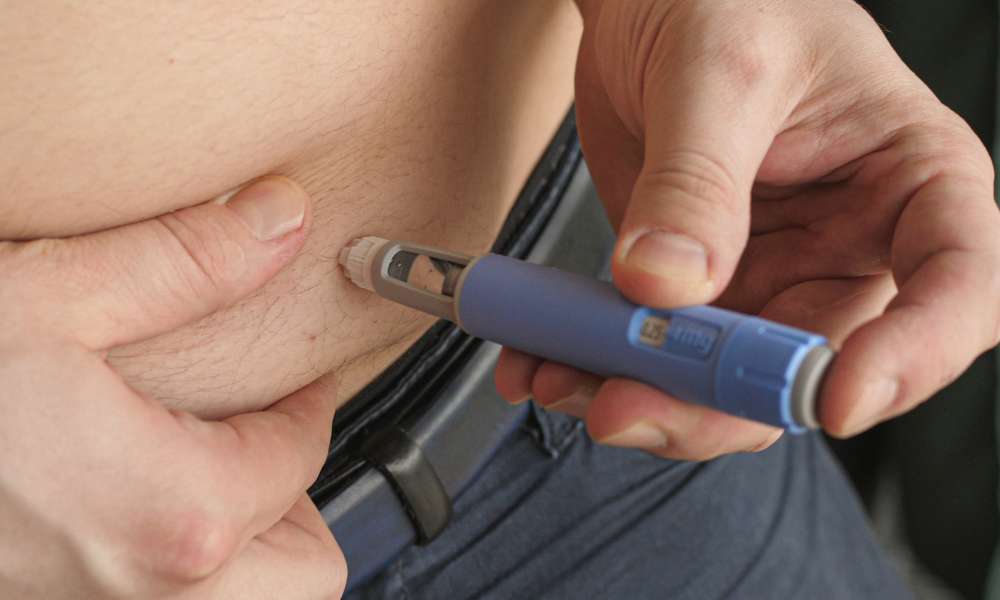
At St. Johns Wellness, we understand that weight loss journeys often come with obstacles and setbacks. Despite the assistance of medications such as Ozempic, maintaining weight loss can seem overwhelming. Nevertheless, with the appropriate mindset and approach, preserving your weight loss achievements post-Ozempic treatment is entirely feasible. Understanding Ozempic and its Mechanism of Action Ozempic, also known as semaglutide, belongs to a class of medications called GLP-1 receptor agonists. These drugs work by mimicking the action of a naturally occurring hormone called GLP-1. By stimulating GLP-1 receptors in the body, Ozempic helps regulate blood sugar levels, reduce appetite, and promote weight loss. The Role of Lifestyle Changes While Ozempic can be a valuable tool in your weight loss journey, it is essential to recognize that medication alone is not a magic bullet. To maintain weight loss after Ozempic treatment, incorporating healthy lifestyle changes is key. This includes adopting a balanced diet, engaging in regular physical activity, managing stress levels, and prioritizing adequate sleep. Balanced Diet: Focus on consuming a variety of nutrient-dense foods, including fruits, vegetables, lean proteins, whole grains, and healthy fats. Be mindful of portion sizes and aim to limit processed foods, sugary beverages, and high-calorie snacks. Regular Physical Activity: Make exercise a regular part of your routine. Aim for at least 150 minutes of moderate-intensity aerobic activity or 75 minutes of vigorous-intensity activity per week, along with muscle-strengthening activities on two or more days per week. Stress Management: Find healthy ways to cope with stress, such as practicing mindfulness, deep breathing exercises, yoga, or spending time in nature. Chronic stress can contribute to weight gain, so prioritizing stress management is crucial. Adequate Sleep: Ensure you are getting enough quality sleep each night, as sleep deprivation can disrupt hunger hormones and increase cravings for unhealthy foods. Aim for 7-9 hours of sleep per night and establish a consistent sleep schedule. Long-Term Maintenance Strategies Maintaining weight loss after Ozempic treatment requires a commitment to long-term lifestyle changes. Here are some strategies to help you stay on track: Regular Monitoring: Continue to monitor your weight, food intake, physical activity, and other health metrics regularly. Keeping track of your progress can help you identify any potential challenges early on and make necessary adjustments. Support System: Seek support from friends, family, or a healthcare professional who can provide encouragement, accountability, and guidance along the way. Joining a support group or working with a registered dietitian or a certified personal trainer can also be beneficial. Flexibility: Be flexible and adaptable in your approach to weight maintenance. Life is full of unexpected challenges, so it’s essential to develop strategies for dealing with setbacks and obstacles without derailing your progress. Celebrate Successes: Celebrate your achievements, no matter how small. Recognize and reward yourself for reaching milestones and staying committed to your goals. This positive reinforcement can help motivate you to continue making healthy choices. Conclusion Maintaining weight loss post-Ozempic treatment may present its hurdles, yet it remains entirely achievable with unwavering commitment, persistence, and a holistic embrace of health and wellness. Integrating medication with wholesome lifestyle practices and enduring maintenance plans empowers you to attain enduring triumph in your weight management odyssey. Keep in mind, you possess the ability to reach your aspirations, and with the support and perspective provided by St. Johns Wellness, the realm of possibilities expands infinitely.

Why is direct primary care better?

Why is direct primary care better?

In the realm of healthcare, navigating through a labyrinth of insurance approvals, unpredictable costs, and limited time with physicians can be daunting for patients. However, amidst this complexity, there’s a beacon of hope shining through the fog: Direct Primary Care (DPC). This revolutionary approach to healthcare, exemplified by St. Johns Wellness, is gaining recognition for all the right reasons. Let’s explore why Direct Primary Care is emerging as a superior option for patients seeking personalized, accessible, and transparent healthcare solutions. Enhanced Access to Care One of the hallmark advantages of Direct Primary Care is its unparalleled accessibility. Unlike traditional insurance-based practices, DPC offers patients virtually unlimited access to their healthcare provider. Gone are the days of waiting weeks for an appointment or spending hours in a crowded waiting room. With DPC, scheduling is seamless, and patients enjoy longer, more meaningful visits with their physicians. This immediate access ensures timely medical attention, fostering a proactive approach to healthcare rather than reactive responses to ailments. Personalized Care at Its Finest In a world where time with healthcare providers feels increasingly limited, Direct Primary Care stands out for its emphasis on personalized care. By maintaining smaller patient loads, DPC physicians can devote ample time to each individual, truly understanding their unique health needs and concerns. This fosters a deeper doctor-patient relationship built on trust, empathy, and mutual respect. From comprehensive wellness check-ups to chronic condition management, every aspect of care is tailored to address the specific needs of the patient, ensuring optimal health outcomes. Cost Transparency for Peace of Mind Financial uncertainty often accompanies traditional healthcare models, leaving patients bewildered by hidden fees and unpredictable expenses. Direct Primary Care flips the script by offering clear, upfront pricing without the burden of insurance complexities. With a simple monthly fee, patients gain access to a wide range of primary care services, eliminating the anxiety associated with medical bills. This transparency empowers patients to take control of their healthcare decisions, knowing exactly what to expect without any unwelcome surprises. Preventive and Comprehensive Care Prevention is the cornerstone of good health, and Direct Primary Care excels in this regard. By promoting regular, unhurried visits with physicians, DPC encourages a proactive approach to wellness. Through comprehensive screenings, lifestyle counseling, and early intervention, potential health issues can be identified and addressed before they escalate into more serious conditions. Additionally, DPC facilitates thorough management of chronic conditions, empowering patients to lead fulfilling lives while effectively managing their health concerns. Tailored Care Delivery Options Flexibility is key in today’s fast-paced world, and Direct Primary Care delivers on this front with a variety of care delivery options to suit diverse lifestyles. Whether patients prefer the comfort of in-person visits at conveniently located clinics, the convenience of mobile care brought directly to their doorstep, or the accessibility of virtual consultations via telehealth services, DPC ensures that quality healthcare is always within reach. Conclusion, St. Johns Wellness embodies a transformative approach to healthcare delivery, heralding a paradigm shift in how individuals experience and receive medical care. By placing paramount importance on nurturing patient-practitioner relationships, enhancing accessibility, fostering transparency, and prioritizing preventive care, St. Johns Wellness epitomizes the essence of Direct Primary Care (DPC). As more individuals embrace the unparalleled benefits offered by St. Johns Wellness and the DPC model, the horizon of healthcare appears brighter and more promising than ever before.