

Cyprex Health

We Offer Virtual & Telehealth Appointments
Is it worth taking testosterone injections?

Is it worth taking testosterone injections?

Testosterone is a vital hormone in the human body, playing a key role in muscle mass, bone density, and overall energy levels. As men age, their testosterone levels naturally decline, leading to various health issues. This decline has led many to consider testosterone injections as a way to restore their hormone levels and regain vitality. But is it worth taking testosterone injections? This article, brought to you by St Johns Wellness, will explore the benefits, risks, and considerations to help you make an informed decision. Jacksonville, Testosterone Replacement Therapy (TRT), St Augustine, FL, St Johns, Hormone Optimization, Hormone Replacement Therapy, Wellness, Holistic Understanding Testosterone Injections Testosterone injections are a form of hormone replacement therapy (HRT) designed to boost testosterone levels in men with low levels of this hormone. These injections can be administered intramuscularly, usually in the buttocks, thighs, or deltoids, and are typically prescribed by a healthcare provider after thorough evaluation. Benefits of Testosterone Injections 1. Increased Muscle Mass and Strength One of the most significant benefits of testosterone injections is the increase in muscle mass and strength. Testosterone plays a crucial role in muscle protein synthesis, which is essential for muscle growth and repair. Men with low testosterone often experience muscle weakness and fatigue, which can be mitigated with testosterone injections. 2. Improved Bone Density Testosterone is vital for bone health. Men with low testosterone levels are at a higher risk of osteoporosis and fractures. Testosterone injections can help increase bone mineral density, reducing the risk of osteoporosis and related complications. 3. Enhanced Libido and Sexual Performance Low testosterone levels can lead to reduced libido and erectile dysfunction. Testosterone injections have been shown to improve sexual desire and performance in men suffering from hypogonadism, a condition characterized by low testosterone production. 4. Better Mood and Mental Clarity Testosterone influences mood and cognitive function. Men with low testosterone levels often experience symptoms of depression, irritability, and brain fog. Testosterone injections can help improve mood, increase energy levels, and enhance cognitive clarity. 5. Increased Red Blood Cell Production Testosterone stimulates red blood cell production, which can improve oxygen delivery throughout the body. This can enhance endurance and overall physical performance. Risks and Side Effects While testosterone injections offer numerous benefits, they are not without risks. It is essential to weigh these risks before starting therapy. 1. Cardiovascular Risks Testosterone therapy has been associated with an increased risk of cardiovascular events, such as heart attacks and strokes. It is crucial to discuss these risks with your healthcare provider, especially if you have a history of heart disease. 2. Hormonal Imbalance Introducing synthetic testosterone can disrupt the body’s natural hormone production. This can lead to side effects such as gynecomastia (enlarged breast tissue in men), testicular shrinkage, and infertility. 3. Mood Swings and Aggression While testosterone can improve mood, it can also cause mood swings and aggressive behavior in some individuals. Monitoring and adjusting the dosage is vital to mitigate these effects. 4. Sleep Apnea Testosterone therapy can exacerbate sleep apnea, a condition characterized by interrupted breathing during sleep. If you have sleep apnea, it is essential to discuss this with your healthcare provider before starting testosterone injections. 5. Acne and Skin Reactions Some men may experience acne or injection site reactions, such as pain and swelling. Proper injection technique and hygiene can help minimize these issues. Who Should Consider Testosterone Injections? Testosterone injections are typically recommended for men diagnosed with hypogonadism, where the body cannot produce sufficient testosterone. If you experience symptoms such as low libido, fatigue, depression, and reduced muscle mass, it is essential to consult with a healthcare provider. A thorough evaluation, including blood tests, will determine if testosterone injections are appropriate for you. Alternatives to Testosterone Injections If you are concerned about the risks associated with testosterone injections, there are alternative treatments and lifestyle changes that can help boost testosterone levels naturally. 1. Lifestyle Changes 2. Natural Supplements Certain supplements, such as vitamin D, zinc, and D-aspartic acid, have been shown to support testosterone production. Always consult with a healthcare provider before starting any supplement regimen. 3. Topical Treatments Topical testosterone gels and creams are available as alternatives to injections. These can be applied to the skin and absorbed into the bloodstream, offering a less invasive option. Conclusion Deciding whether testosterone injections are worth it depends on individual circumstances and health conditions. For men with clinically low testosterone levels, injections can significantly improve quality of life by enhancing muscle mass, bone density, mood, and sexual performance. However, it is essential to consider the potential risks and discuss them with a healthcare provider. At St Johns Wellness, we believe in providing comprehensive care and guidance for all your health needs. If you are experiencing symptoms of low testosterone, consult with our experts to determine the best course of action tailored to your unique situation.

Hormone Replacement Therapy (HRT & TRT): The Ultimate Guide to Restoring Hormone Balance and Vitality

Hormone Replacement Therapy (HRT) and Testosterone Replacement Therapy (TRT) are becoming increasingly popular solutions for individuals experiencing symptoms related to hormonal imbalances. If you’ve been feeling fatigued, gaining weight, experiencing mood swings, or losing interest in activities you once loved, your hormones might be to blame. In this guide, we’ll dive into everything you need to know about HRT and TRT, including the benefits, who can benefit, and what you should expect. What is Hormone Replacement Therapy (HRT)? HRT is a treatment designed to supplement or replace hormones that the body no longer produces in sufficient amounts. This therapy primarily focuses on hormones such as estrogen, progesterone, and testosterone, which naturally decline with age. For men, Testosterone Replacement Therapy (TRT) is a specific form of HRT that focuses on replenishing testosterone levels that decrease with age, commonly known as andropause. Why Do Hormone Levels Decline? Hormones regulate nearly every function in our bodies, and as we age, their production naturally decreases. Here are a few reasons why hormone levels can drop: Symptoms of Hormone Imbalance Hormonal imbalances can cause a range of symptoms that can significantly impact your quality of life. Common symptoms include: If you’re experiencing any of these symptoms, HRT or TRT might be a beneficial option for you. Benefits of Hormone Replacement Therapy Hormone replacement therapy offers a wide array of benefits, including: Is HRT or TRT Safe? Yes, HRT and TRT are considered safe when administered under the guidance of a qualified healthcare provider. Bioidentical hormones, which are chemically identical to those produced by the human body, are often used and are considered safer than synthetic hormones. As with any medical treatment, there are potential risks, including blood clots, cardiovascular issues, or an increased risk of certain cancers. It’s crucial to undergo regular monitoring and follow your doctor’s guidance throughout the treatment. Research Reference: A study published in the Journal of the American Medical Association (JAMA) found that men undergoing TRT experienced significant improvements in sexual function, mood, and energy compared to those not receiving treatment . Who Can Benefit from HRT/TRT? What to Expect During Hormone Replacement Therapy Frequently Asked Questions (FAQs) About HRT/TRT 1. How long does it take to feel the effects of HRT/TRT? Many patients start noticing improvements in energy, mood, and libido within 4-6 weeks, although full benefits may take 3-6 months. 2. Is hormone therapy a lifelong commitment? Not necessarily. Some people choose to stay on hormone therapy long-term, while others use it for a few years to manage symptoms. It’s essential to work with your doctor to determine the best duration. 3. Are there natural ways to boost hormone levels? Yes! Maintaining a balanced diet, exercising regularly, reducing stress, and getting enough sleep can help support hormone production. Ready to Balance Your Hormones? Hormone Replacement Therapy can be a game-changer for anyone struggling with the effects of hormone imbalance. By working with a qualified wellness clinic like St. John’s Wellness, you can regain control over your health, vitality, and quality of life. If you’re experiencing symptoms of hormone imbalance and want to explore how HRT or TRT can help, contact us today for a consultation and take the first step toward feeling your best. We are conveniently located in Nocatee near Jacksonville and World Golf Village near St. Augustine. Key Takeaways Get Started with HRT/TRT Today – Your Path to Wellness Awaits!

Is tirzepatide the same as Ozempic?

Is Tirzepatide the same as Ozempic? St Augustine FL

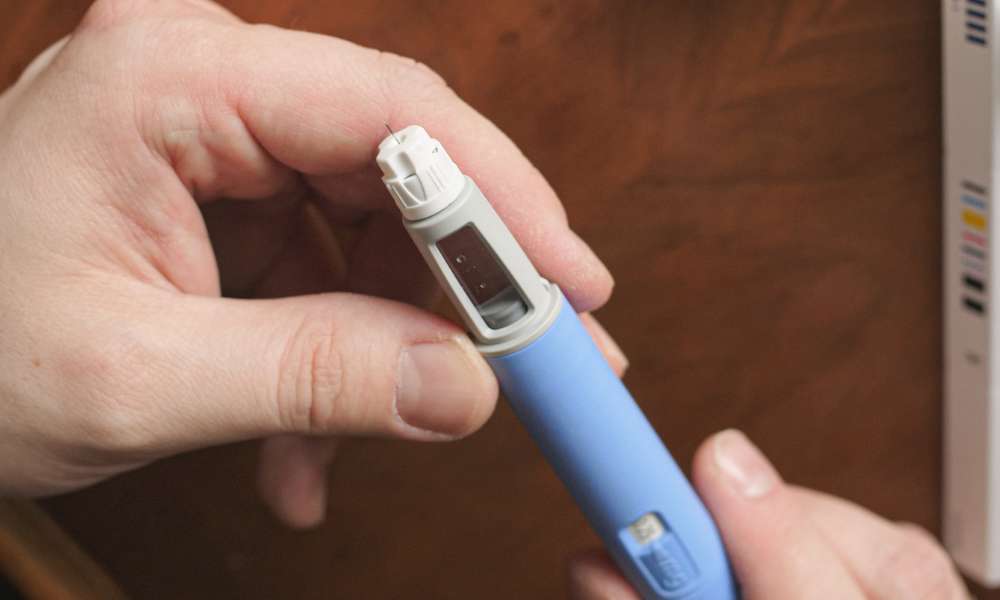
In recent years, the landscape of diabetes management and weight loss has seen remarkable advancements with the introduction of new medications. Among these, Tirzepatide and Ozempic have garnered significant attention. Both medications have shown promising results in managing type 2 diabetes and promoting weight loss. However, they are not the same and have distinct mechanisms of action, benefits, and potential side effects. In this article, we will explore the differences and similarities between Tirzepatide and Ozempic, providing a comprehensive overview for those seeking to understand their options. At St Johns Wellness, we prioritize providing accurate and up-to-date information to help you make informed decisions about your health. St Augustine FL, Nocatee, Jacksonville, Ponte Vedra FL, St Johns Understanding Tirzepatide Tirzepatide is a novel medication developed by Eli Lilly for the treatment of type 2 diabetes. It is a dual glucose-dependent insulinotropic polypeptide (GIP) and glucagon-like peptide-1 (GLP-1) receptor agonist. This means that Tirzepatide activates both the GIP and GLP-1 receptors, which play crucial roles in regulating blood sugar levels and appetite. Mechanism of Action Tirzepatide works by mimicking the action of incretin hormones, which are naturally occurring hormones that help regulate glucose levels in the body. By activating both GIP and GLP-1 receptors, Tirzepatide enhances insulin secretion in response to meals, reduces glucagon secretion, and slows gastric emptying. These actions collectively help to control blood sugar levels and promote weight loss. Understanding Ozempic Ozempic, on the other hand, is a medication developed by Novo Nordisk for the treatment of type 2 diabetes. It is a GLP-1 receptor agonist, meaning it specifically targets the GLP-1 receptor to help regulate blood sugar levels. Mechanism of Action Ozempic works by stimulating the GLP-1 receptor, which leads to increased insulin secretion, decreased glucagon secretion, and slower gastric emptying. These actions help to lower blood sugar levels after meals and promote weight loss by reducing appetite. Key Differences Between Tirzepatide and Ozempic While both Tirzepatide and Ozempic are used to manage type 2 diabetes and promote weight loss, there are several key differences between the two medications: Benefits of Tirzepatide and Ozempic Both Tirzepatide and Ozempic offer significant benefits for individuals with type 2 diabetes and those seeking weight loss: Choosing the Right Medication The choice between Tirzepatide and Ozempic depends on various factors, including individual health needs, response to treatment, and potential side effects. Consulting with a healthcare provider is crucial to determine the most appropriate medication for managing type 2 diabetes and achieving weight loss goals. At St Johns Wellness, we understand the importance of personalized healthcare. Our team of experts is dedicated to providing comprehensive support and guidance to help you navigate your treatment options. Whether you are considering Tirzepatide, Ozempic, or other diabetes medications, we are here to assist you every step of the way. Conclusion While Tirzepatide and Ozempic are both effective medications for managing type 2 diabetes and promoting weight loss, they are not the same. Tirzepatide’s dual action on GIP and GLP-1 receptors may offer additional benefits compared to Ozempic’s GLP-1 receptor agonism alone. However, the choice between the two should be made based on individual health needs and in consultation with a healthcare provider. At St Johns Wellness, we are committed to helping you make informed decisions about your health. Understanding the differences between medications like Tirzepatide and Ozempic is a crucial step in achieving optimal diabetes management and overall well-being.